Body weight
Work toward a healthy weight.
The treatment and support for eating disorders typically involve a multidisciplinary approach that addresses the physical, psychological, and nutritional aspects of the disorder.
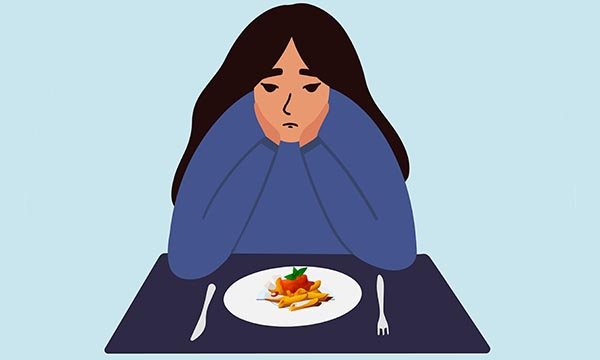
Registered dietitians and other professionals involved in your treatment can help you better understand your eating disorder and help you develop a plan to achieve and maintain healthy eating habits. Goals of nutrition education may be to:
Learn MoreWork toward a healthy weight.
Understand how nutrition affects your body,including recognizing how your eating disorder causes nutrition issues and physical problems
Practice meal planning and preparation just to make sure you have enough nutrition.
Including three meals a day with regular snacks.
Take steps to avoid dieting or binge eating.
Correct health problems that are a result of malnutrition or obesity.

A mental health professional can determine the best psychotheraphy for your situation. This theraphy helps you understand and change distorted thinking patterns that drive behaviors and emotions.
Learn More
This form of family therapy helps parents of teenagers with anorexia. Parents actively guide a child’s eating while they learn healthier habits.
Learn More
Some people with eating disorders have other conditions, like anxiety or depression. Taking antidepressants or other medications can improve these conditions. As a result, your thoughts about yourself and food improve.
Learn MoreA type of psychotherapy called cognitive behavioral therapy (CBT) may be recommended to help reduce or eliminate disordered behavior such as binge eating, purging, and restricting. CBT involves learning how to recognize and change distorted or unhelpful thought patterns.
A doctor may recommend treatment with medications such as antidepressants, antipsychotics, or mood stabilizers to help treat an eating disorder or other conditions that may occur at the same time, such as depression or anxiety.
This involves working with a dietitian to learn proper nutrition and eating habits and may also involve restoring or managing a person’s weight if they have experienced significant weight changes. Studies suggest that combining nutritional therapy with cognitive therapy may significantly improve treatment outcomes.
Taking time to listen to their thoughts can help them feel heard, respected, and supported. Even if you don’t agree with what they say, it’s important that they know you’re there for them and that they have someone to confide in.
You can reach out and invite them to activities and social events or ask if they want to hang out one-on-one. Even if they do not want to be social, it’s important to check in and invite them to help them feel valued and less alone.
Make sure they know that they are valued and appreciated, especially for nonphysical reasons. Remind them why you are their friend and why they are valued.